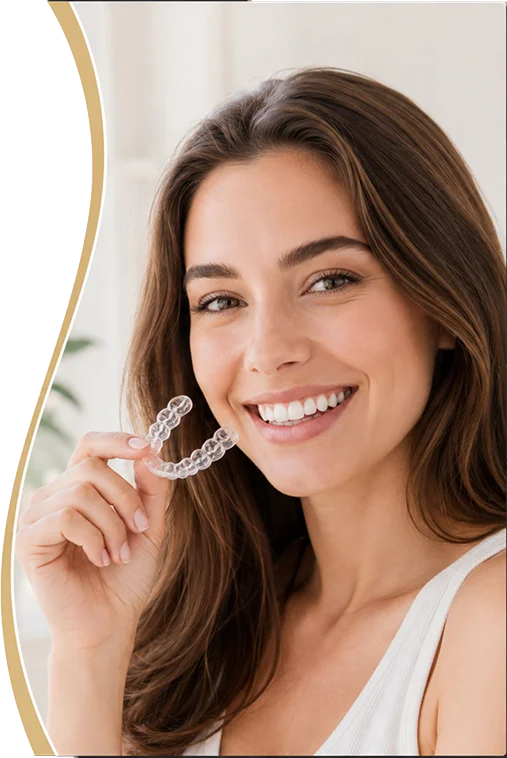
Dental Guards
Grinding, clenching, or contact sports can put your smile at risk. At Twin Teeth Orthodontics, Dr. Tatyana and our team provide custom-fit dental guards designed to protect your teeth comfortably and effectively. Each guard is digitally crafted for precision, durability, and a perfect fit—so you can protect your smile with confidence.

Types of Dental Guards We Offer:
- Night Guards: If you wake up with jaw tension, headaches, or notice wear on your teeth, you may be grinding or clenching during sleep. A custom night guard helps cushion your bite, relax your jaw, and prevent tooth damage or TMJ discomfort.
- Sports Guards: Whether you play football, basketball, or any contact sport, protecting your teeth is essential. Our custom sports guards are made from strong, lightweight materials that absorb impact while allowing easy breathing and speaking.
- Retainers: After completing orthodontic treatment, retainers help maintain your new alignment. We design retainers that fit comfortably and securely—so your smile stays beautifully straight.
Each guard and retainer is designed using digital TRIOS scanning technology, eliminating messy impressions and ensuring a smooth, exact fit every time.
Why Choose a Custom Dental Guard?
Over-the-counter guards rarely fit properly and often feel bulky or ineffective. A professionally made guard from Twin Teeth Orthodontics provides:
- Superior comfort and retention – Designed for your exact bite and mouth shape
- Enhanced protection – Crafted from premium materials that resist wear and pressure
- Easy breathing and speaking – Precision fit ensures a natural feel
- Longer lifespan – Built to last far longer than store-bought versions
With support from our experienced dentist in Wellington, Florida, custom dental guards are carefully designed to protect your teeth from everyday wear, helping maintain comfort, balance, and long-term oral health.

Protect Your Smile with a Perfect Fit
Whether you need a guard for nighttime grinding, sports activities, or orthodontic retention, Dr. Tatyana will help you choose the best option for lasting protection and comfort.
Today to safeguard your smile with a custom solution from Twin Teeth Orthodontics.
FAQs
Who should wear a dental guard?
Dental guards are commonly recommended for patients who grind or clench their teeth, participate in sports, or experience excessive pressure on their teeth and jaw joints. These appliances help protect teeth from wear, reduce the risk of dental injuries, and may improve comfort during sleep or physical activity. A dental evaluation can help determine which type of guard is most appropriate.
How long does a dental guard last?
The lifespan of a dental guard depends upon the material used, how often it is worn, and the amount of pressure placed on it. Custom-made guards often last several years when properly maintained, although they may eventually require replacement due to normal wear. Regular dental visits let your dentist monitor the condition and fit of the appliance over time.
How should I care for my dental guard?
Proper care helps keep your dental guard clean, comfortable, and effective. It should be rinsed after use, cleaned regularly with a soft toothbrush and mild cleanser, and stored in a protective case when not being worn. Avoid exposing the guard to excessive heat, as this can affect its shape and fit. Regular dental checkups are also recommended to evaluate its condition.
Who may benefit from using a dental guard?
A dental guard may be recommended for individuals whose teeth are exposed to repeated force during sleep, daily habits, or recreational activities. It can also be useful when signs of excessive tooth wear or strain are present. After checking your teeth and bite, your dentist will determine whether a protective appliance is appropriate and which design best matches your needs.
Can I use one dental guard for every purpose?
Usually not. Guards intended for nighttime use and those created for athletic protection are manufactured to perform different functions. Because each appliance is designed to manage a specific type of force, your dentist will recommend the version that best matches the activity for which it will be worn.
Will wearing a dental guard feel strange at first?
It is normal to notice that a new guard feels unfamiliar during the first few uses because your mouth is adapting to an appliance that was not previously there. Most people become comfortable after wearing it consistently. If it continues to cause irritation or feels unstable, your dentist can evaluate the fit.
How can I tell when my dental guard should be replaced?
Changes such as visible thinning, cracks, worn chewing surfaces, or a guard that no longer fits securely may indicate that it is no longer providing the intended level of protection. Having your appliance examined periodically allows your dentist to determine whether continued use, adjustment, or replacement is the better option.
Can a dental guard help protect crowns or other dental restorations?
Yes. If excessive biting pressure is placing stress on crowns, bridges, veneers, implant restorations, or similar dental work, a guard may help reduce that force during use. Whether this added protection would be beneficial depends on your bite pattern and the type of restorations already present.
Should I bring my dental guard to future dental visits?
Yes. Bringing your guard allows your dentist to compare its condition with changes occurring in your teeth and bite over time. Examining both together makes it easier to determine whether the appliance is continuing to function effectively or whether modifications would improve its performance.
Can a dental guard affect the way my teeth come together?
A professionally fitted guard is intended to protect your teeth without permanently changing your bite. If you notice that your teeth no longer meet comfortably while wearing the appliance or after removing it, arrange an evaluation so your dentist can determine whether the guard requires adjustment or replacement.