Dental Braces
When your smile needs comprehensive alignment or bite correction, braces remain the most powerful and reliable orthodontic tool available. At Serenity Grove Dental, we use advanced digital scanning and gentle techniques to make braces treatment comfortable, efficient, and affordable.
Special Offer: $500 Off Dental Braces

Why Choose Braces?
- Effective for complex cases: Ideal for severe crowding, spacing, rotations, or bite discrepancies.
- Versatile: Works for patients of all ages.
- Predictable results: Precise control over tooth movement.
- Options available: Choose traditional metal or discreet ceramic brackets.
Our Braces Process
- Consultation and TRIOS digital scan
- Customized treatment plan
- Bracket placement and adjustment schedule
- Regular visits for progress monitoring
- Retainers and final evaluation
Treatment time typically ranges from 12 to 24 months, depending on case complexity and patient cooperation.
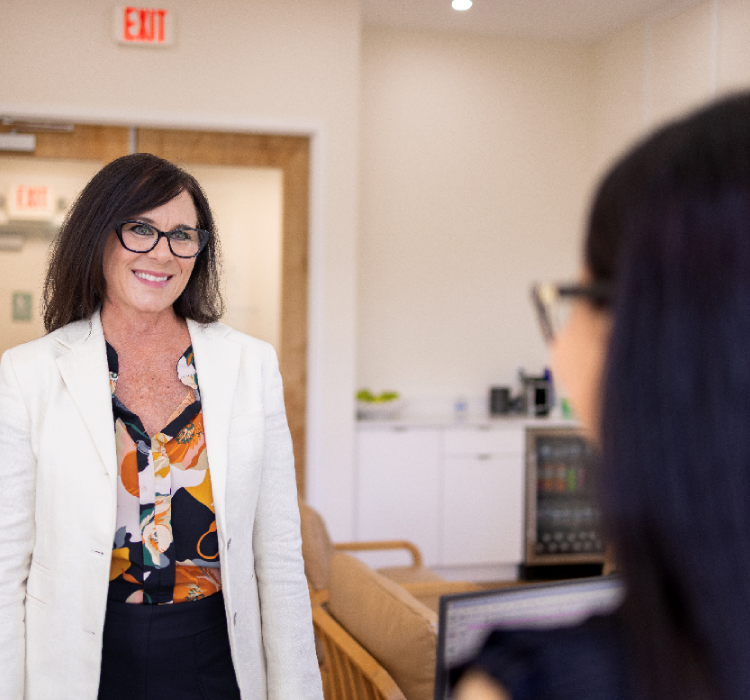
Comfort and Convenience
We focus on gentle care and communication throughout the process. Our flexible scheduling and advanced technology reduce discomfort and appointment times — helping you stay on track with school, work, and life.
With guidance from our skilled dentist in Wellington, Florida, braces treatment is carefully monitored to ensure steady progress, improved bite function, and long-term results that support both comfort and confidence.
Special Offer – $500 Off Complete Orthodontic Treatment
Our comprehensive braces package includes:
- Consultation and digital scan
- Placement and adjustments
- All follow-up visits
- Retainers at treatment completion
Transparent pricing, no surprises, and payment plans available.

STRAIGHTEN YOUR SMILE WITH CONFIDENCE
Traditional braces remain one of the most effective and precise ways to achieve a beautifully aligned smile. Dr. Tatyana customizes every treatment for comfort, efficiency, and lasting results.
Today to begin your journey toward a healthier, more confident smile with Serenity Grove Dental.
FAQs
Do dental braces hurt?
Braces are not typically painful to place, but it is common to experience mild soreness or pressure after they are fitted and following adjustment appointments. This sensation occurs because the braces are gradually moving the teeth into new positions. Most patients find that any discomfort improves within a few days and can usually be managed with simple measures recommended by their dentist.
How often will I need appointments while wearing braces?
Patients wearing braces generally return for regular adjustment and monitoring appointments every few weeks. These visits allow the orthodontic team to evaluate progress, make necessary modifications, and ensure treatment is moving according to plan. The exact schedule depends on the type of braces being used and the complexity of the orthodontic correction being performed.
May I play sports or musical instruments with braces?
Yes. Most patients continue participating in sports, band, and other activities while wearing braces. If you play contact sports, your dentist may recommend a custom mouthguard to help protect your teeth and orthodontic appliances from injury. Some musicians experience a short adjustment period, but most adapt quickly and continue playing comfortably.
What kinds of orthodontic concerns can braces improve?
Braces are used to guide teeth into positions that improve both appearance and everyday function. They may be recommended when teeth are rotated, positioned too close together, spaced too far apart, or when the upper and lower teeth do not meet as intended. After evaluating your smile, your dentist will explain whether braces are an appropriate option for your specific concerns.
Will braces change the way I talk?
Some people notice small changes in pronunciation when braces are first fitted because the tongue and lips are becoming familiar with the appliance. These changes are usually temporary and often improve through normal conversation as your mouth becomes accustomed to speaking with braces in place.
Are there foods I should limit while wearing braces?
Certain foods place greater stress on orthodontic hardware and may increase the chance of bending wires or loosening brackets. Choosing foods that are easier on your braces and cutting bigger items into smaller pieces can help reduce unnecessary strain while allowing treatment to continue without avoidable setbacks.
How can I keep my teeth clean while wearing braces?
Because braces create additional areas where plaque may collect, cleaning requires a little more attention than usual. Your dentist or orthodontist can demonstrate techniques and recommend cleaning aids that make it easier to reach around the appliance and maintain healthy teeth and gums throughout treatment.
What should I do if part of my braces becomes loose or damaged?
If you see a loose bracket, a wire that is causing irritation, or another problem with your braces, contact your orthodontic office for guidance. Some issues may wait until your next visit, while others should be addressed sooner to prevent treatment delays or additional discomfort.
Will I still need a retainer after my braces come off?
Yes. Once braces have finished correcting tooth alignment, retainers help support the new positions while the surrounding tissues stabilize. Wearing your retainer according to your dentist's instructions helps reduce the chance of unwanted movement after active orthodontic treatment has ended.
How can I help my braces work as effectively as possible?
Successful treatment depends on more than simply wearing braces. Following your orthodontist's recommendations, maintaining thorough oral hygiene, attending scheduled visits, and avoiding habits that may damage the appliance all contribute to keeping treatment on track and minimizing avoidable interruptions.